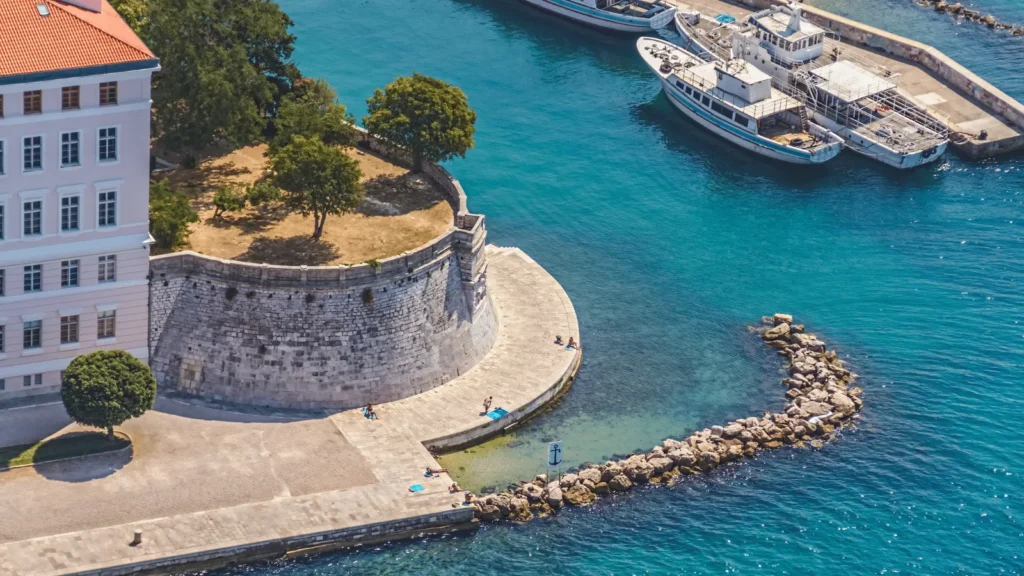
Zadar old town is one of the most historically layered urban centers on the eastern Adriatic coast, located on a compact peninsula surrounded by the Adriatic Sea. Planning a visit to Zadar old town in Croatia? This guide covers Roman ruins, medieval churches, modern art installations, and the unique Adriatic identity of one of Dalmatia’s most historic urban centers. Special attention is given to urban heritage, spatial identity, and symbolic landmarks that define Zadar old town today.
Aerial View of Zadar Old Town
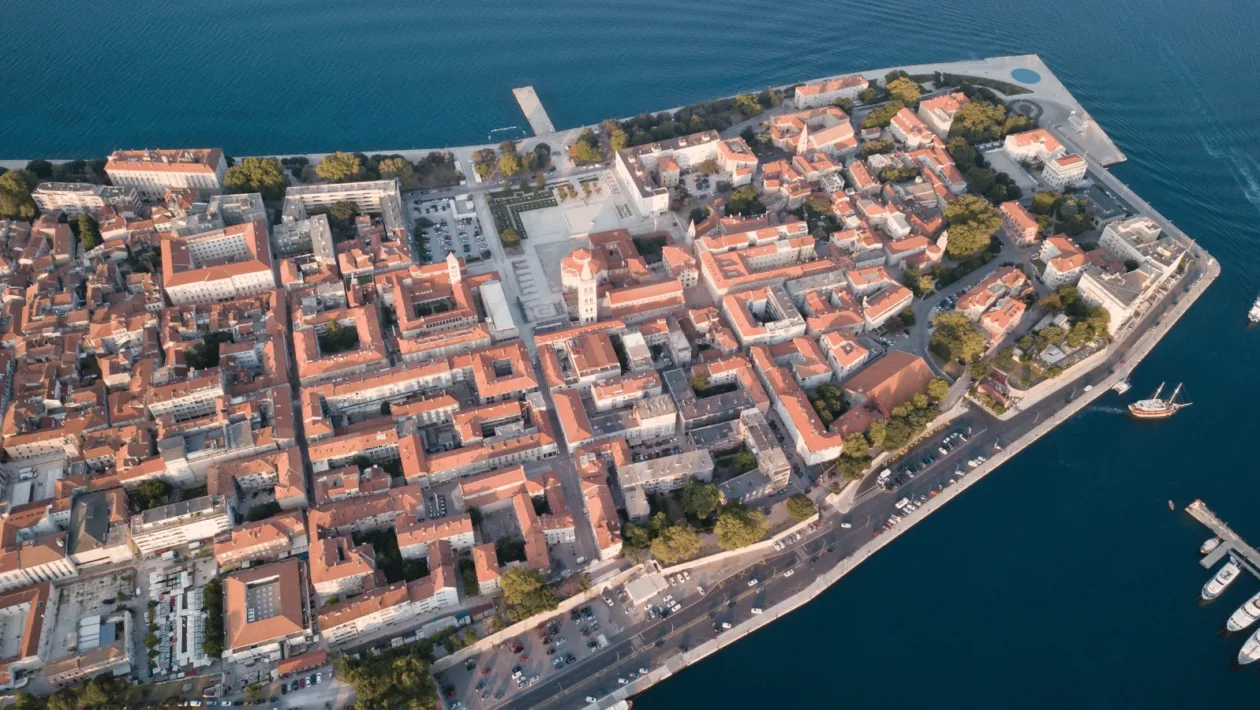
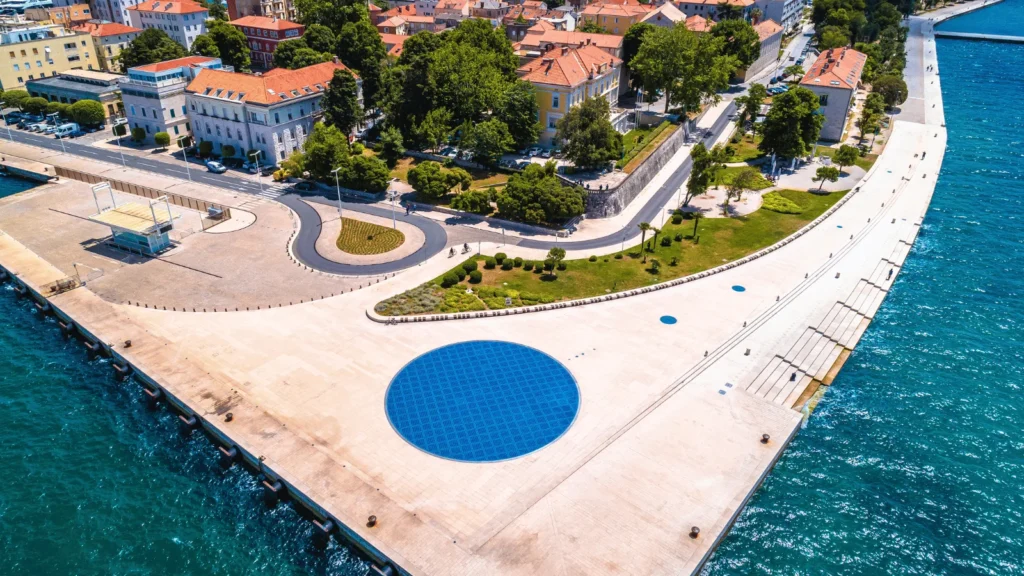
Seen from above, aerial perspectives of Zadar old town clearly reveal the strategic position of the historic core. The peninsula layout, enclosed by sea on three sides, defines the city’s defensive and maritime character. This viewpoint highlights the dense urban fabric shaped by centuries of continuous settlement and careful spatial planning within limited boundaries.
Urban Structure from Above
The Zadar old town aerial view shows a compact network of stone streets, squares, and public buildings organized around historical axes. Churches, forums, and fortifications appear closely connected, reflecting the city’s long evolution rather than a single planning phase. From an aerial perspective, the relationship between built heritage and the surrounding sea becomes especially evident.
Adriatic Context and Identity
From the same angle, the Adriatic Sea is not just a backdrop but a defining element of daily life in Zadar old town. Harbors, promenades, and sea-facing facades illustrate how the city developed in constant dialogue with maritime routes. This visual relationship strengthens Zadar’s identity as both a historic and coastal urban center.
Sea Organ at Sunset – Sound and Light
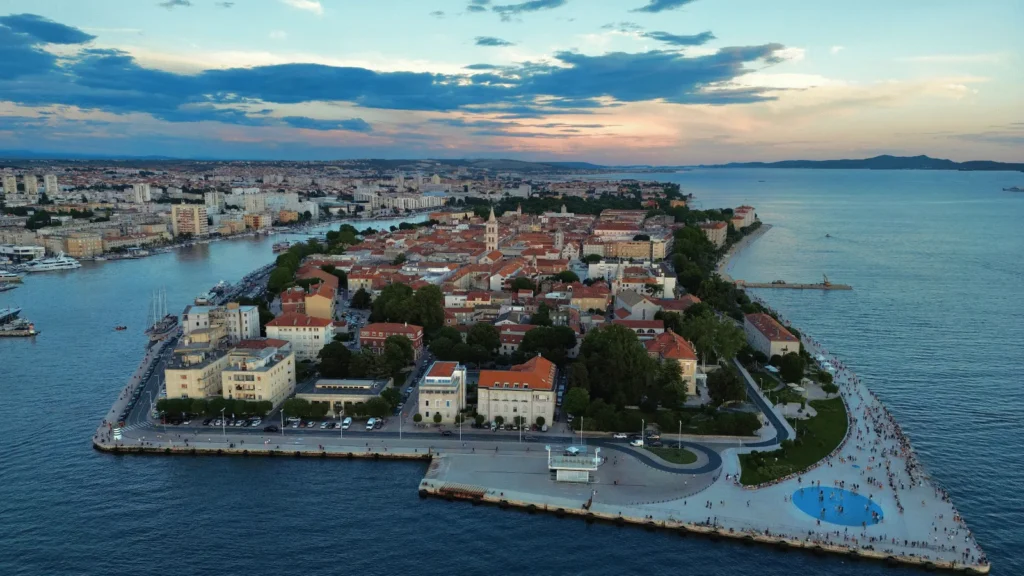
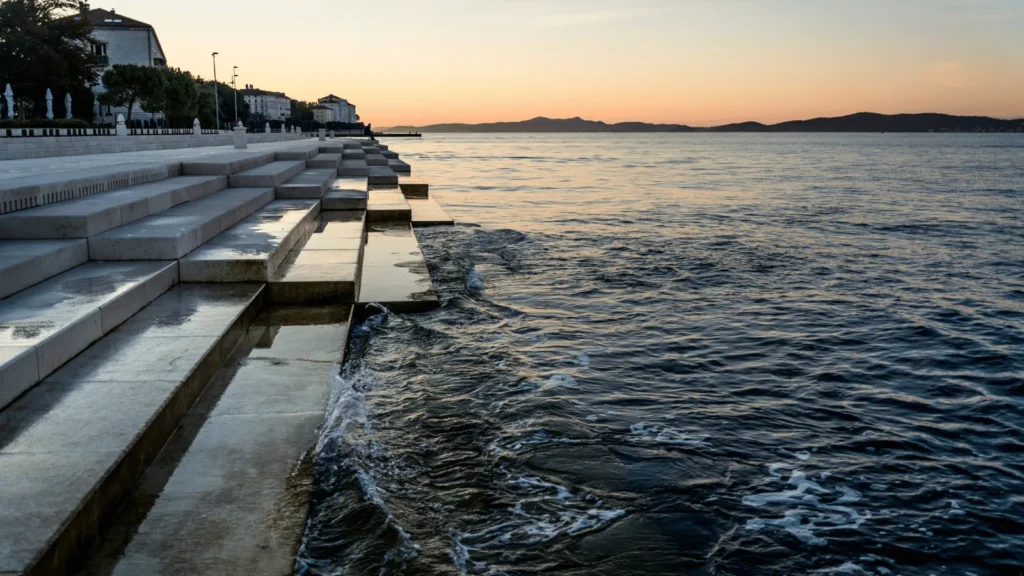
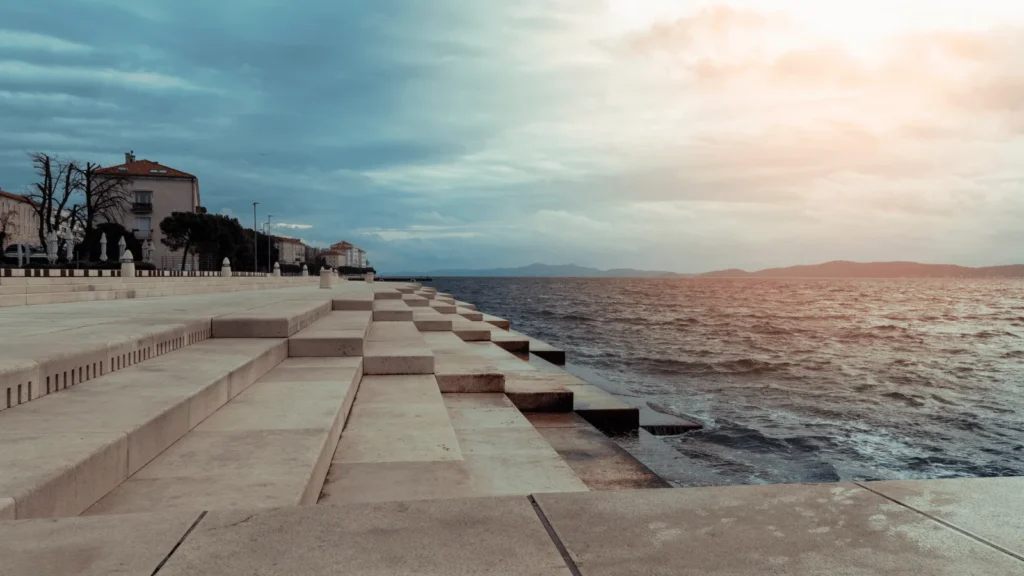
The Sea Organ Zadar sunset experience represents a unique interaction between architecture, nature, and sound. Positioned at the edge of the old town, this modern installation transforms wave movement into music, blending contemporary design with the historical environment. The Sea Organ is one of the most visited attractions in Zadar old town.
Sound, Light and Space
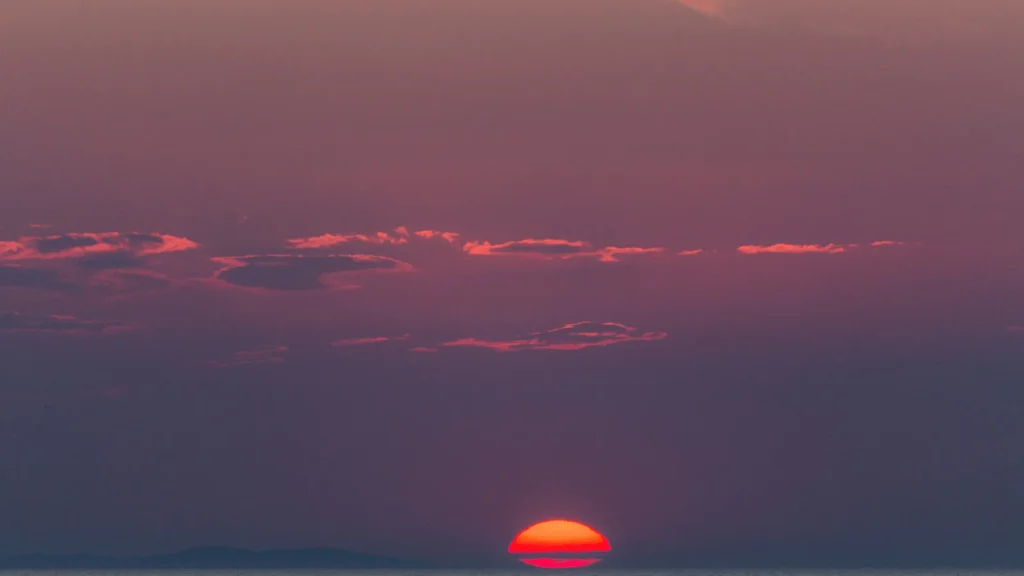
During Sea Organ sunset moments, the changing light enhances the sensory impact of the installation. The stone steps become a gathering place where visitors observe the horizon while listening to tones generated by the sea. This interaction creates a distinctive atmosphere without altering the historical structure of the coastline.
Cultural Significance Today
The Sea Organ sunset phenomenon has become a symbol of modern Zadar. It demonstrates how innovative public space design can coexist with ancient surroundings. Rather than competing with heritage, the installation complements the city’s identity and reinforces its reputation as a place of cultural continuity. Read more about its light companion: Greeting to the Sun – the Sea Organ’s light companion.
Roman Forum Ruins – Center of Ancient Life in Zadar
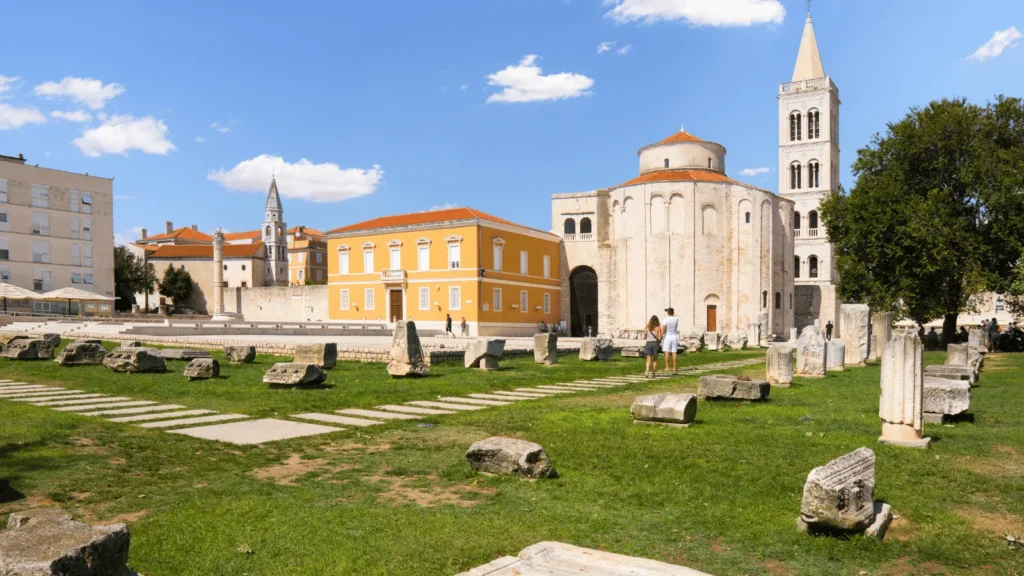
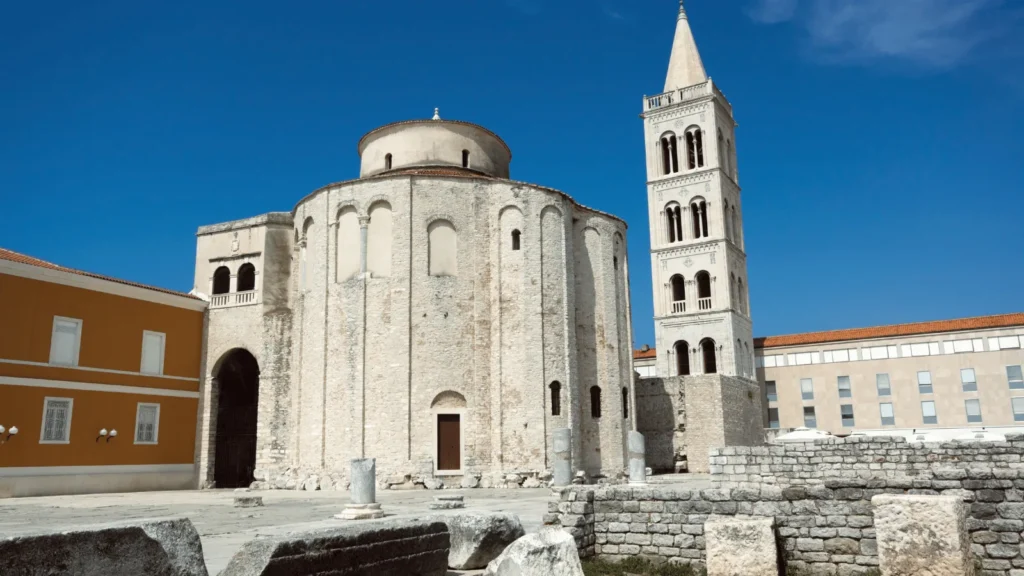
The Roman Forum Zadar ruins form one of the most important archaeological sites within the old town. Located near major religious buildings, the forum illustrates the city’s role as an administrative and social center during the Roman period. Discover more: Roman heritage in Dalmatia.
Historical Urban Function
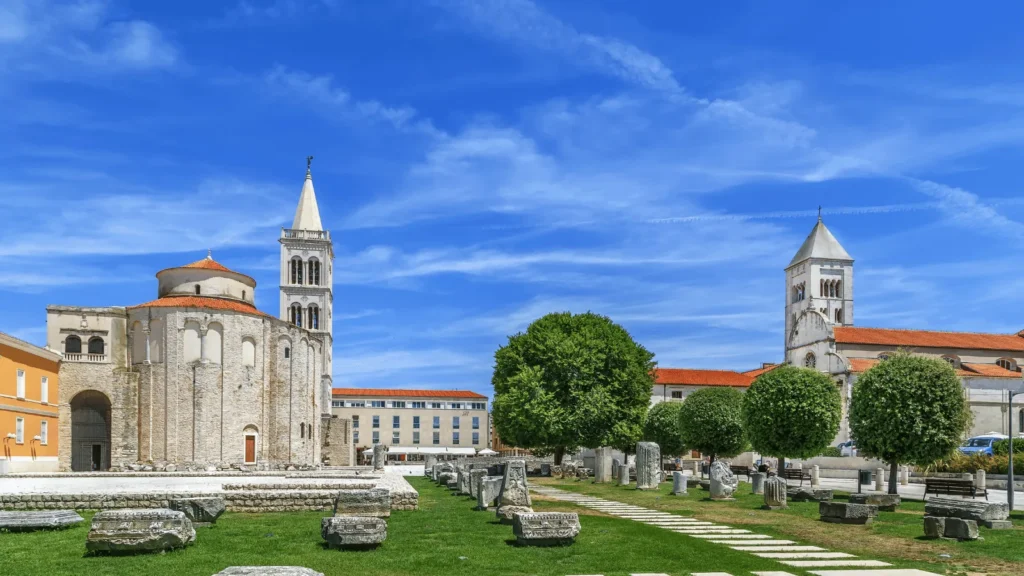
The Roman Forum ruins reflect the original organization of public life, including political, religious, and commercial activities. Stone foundations and remaining columns indicate the scale and importance of the space. Its central position confirms the continuity of urban life in the same location for centuries.
Preservation and Interpretation
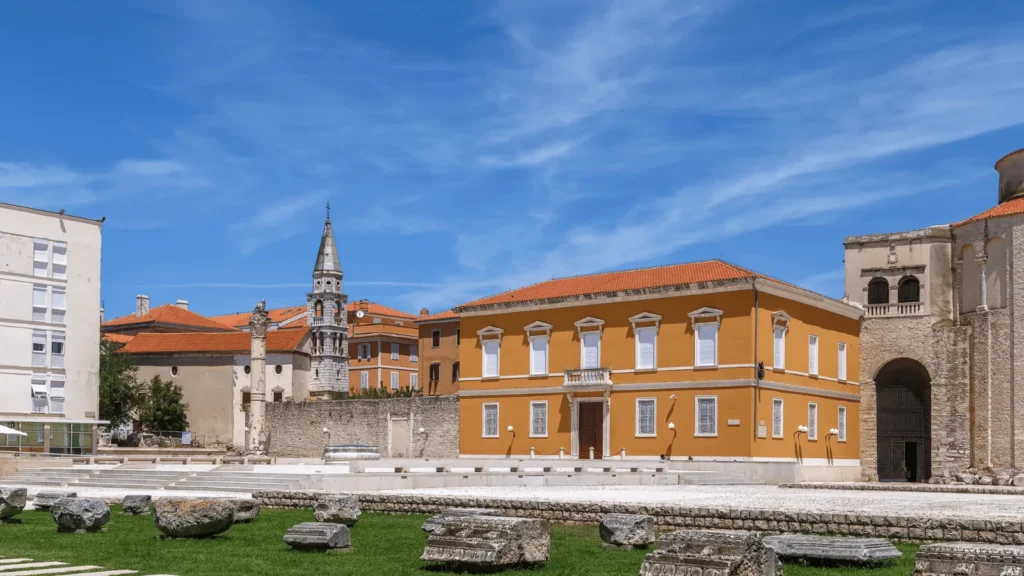
Today, the Roman Forum ruins in Zadar old town remain integrated into the everyday urban landscape. Open access allows residents and visitors to experience history directly. This approach emphasizes preservation through visibility rather than isolation, reinforcing the educational role of archaeological heritage.
St Donatus Church – A Zadar Medieval Masterpiece
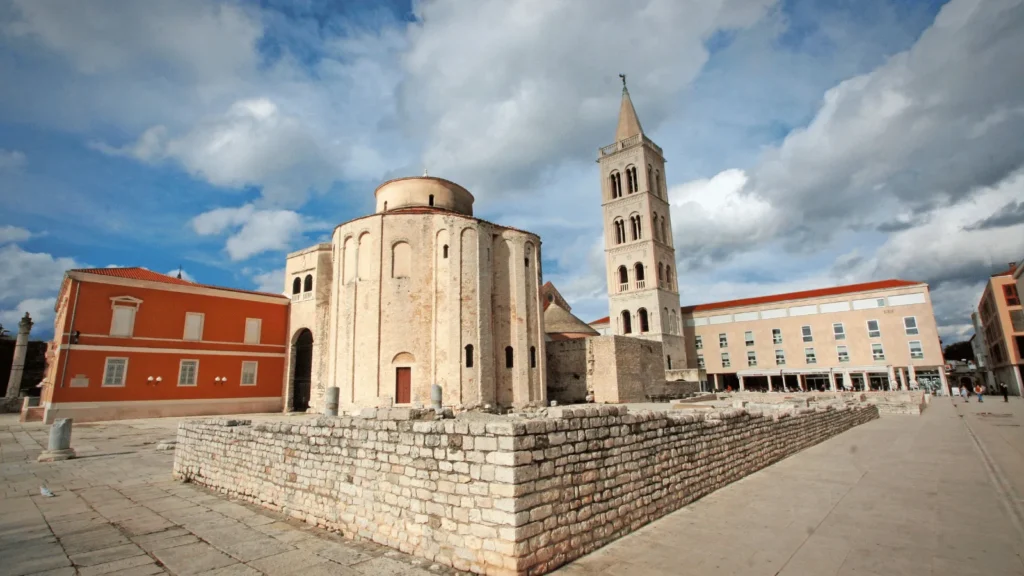
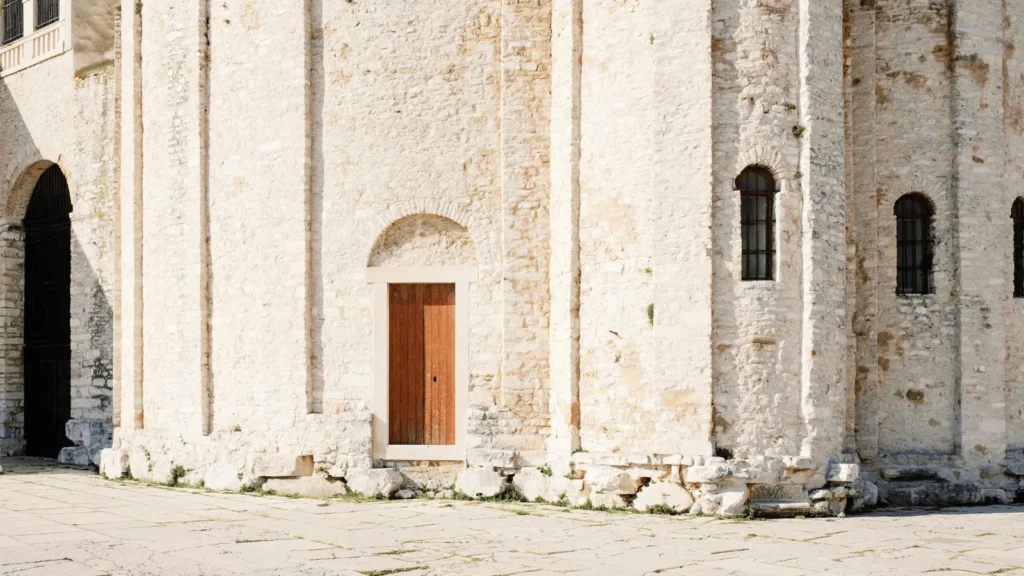
St Donatus Church Zadar is one of the most recognizable architectural landmarks of the city. Its circular form and massive stone structure dominate the historical skyline and reflect early medieval construction principles.
Architectural Characteristics
The design of St Donatus Church is defined by simplicity, symmetry, and durability. Thick walls and a centralized plan illustrate a functional approach adapted to local materials and conditions. Its proximity to ancient ruins highlights architectural continuity across historical periods. Experience its acoustics: Musical Evenings in St Donatus Church.
Symbolic Role in the City
Beyond architecture, St Donatus Church functions as a cultural symbol of Zadar old town. The building represents the layered identity of Zadar, where Roman, medieval, and modern elements coexist. Its presence reinforces the city’s role as a long-standing cultural center on the Adriatic.
Practical Information for Visitors
The Roman Forum is open 24/7 and free to visit – best experienced in the morning light. St Donatus Church is not used for regular mass but hosts concerts during the Musical Evenings in St Donatus festival (July–August). Tickets are available online or at the church entrance.
The Sea Organ and Greeting to the Sun are free and accessible year-round. Sunset is the most popular time, so arrive 30 minutes early to find a seat on the stone steps.
UNESCO World Heritage Status
Zadar old town is part of the UNESCO World Heritage site “Venetian Works of Defence between the 15th and 17th centuries”, together with the city walls and Land Gate. This fortification system is one of the best-preserved in the Mediterranean. Explore more: Zadar’s UNESCO World Heritage city walls.
Other Landmarks Worth Seeing in Zadar Old Town
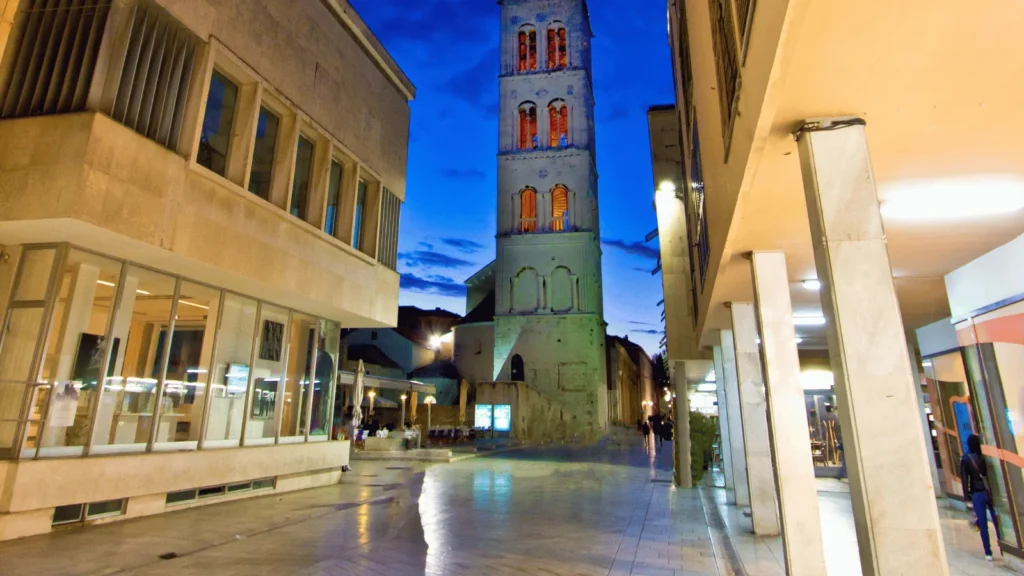
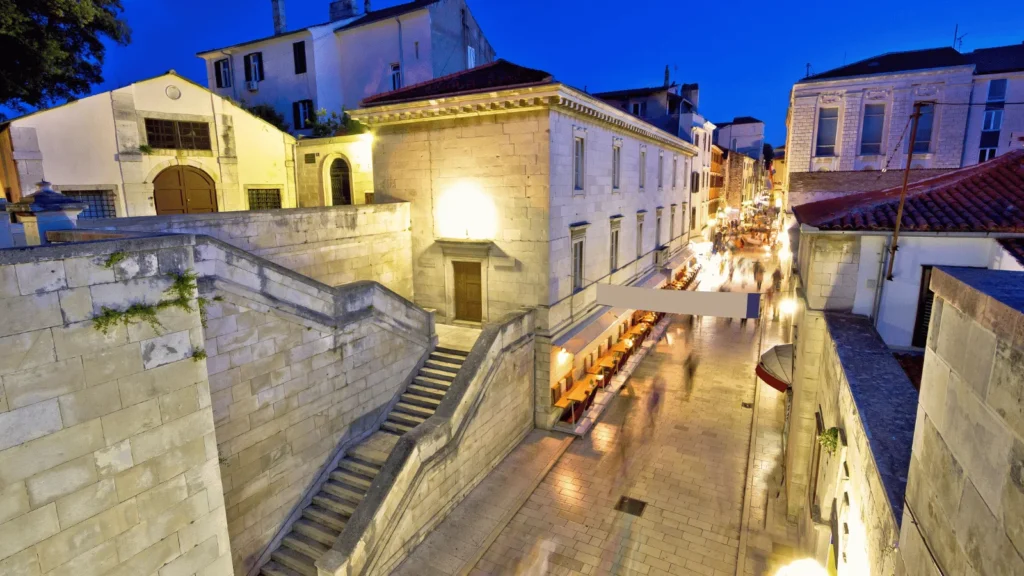
While exploring Zadar old town, don’t miss the Cathedral of St Anastasia (12th century) with its Romanesque bell tower – climb to the top for the best view. The People’s Square (Narodni trg) and the Kalelarga (main pedestrian street) have connected the two ends of the peninsula for centuries.
Conclusion: Zadar Old Town as a Living Heritage
Zadar old town remains a living example of how historical layers can function within a modern urban environment. From aerial perspectives of Zadar old town to the sounds of the Sea Organ at sunset, from the Roman Forum ruins to St Donatus Church, each element contributes to a coherent spatial identity. Rather than existing as isolated monuments, these landmarks form an integrated urban narrative that continues to define Zadar old town today.