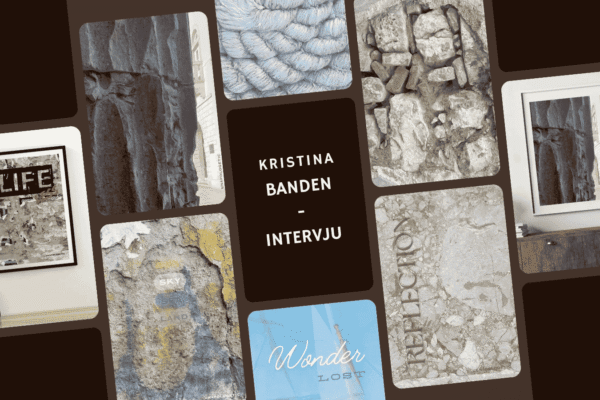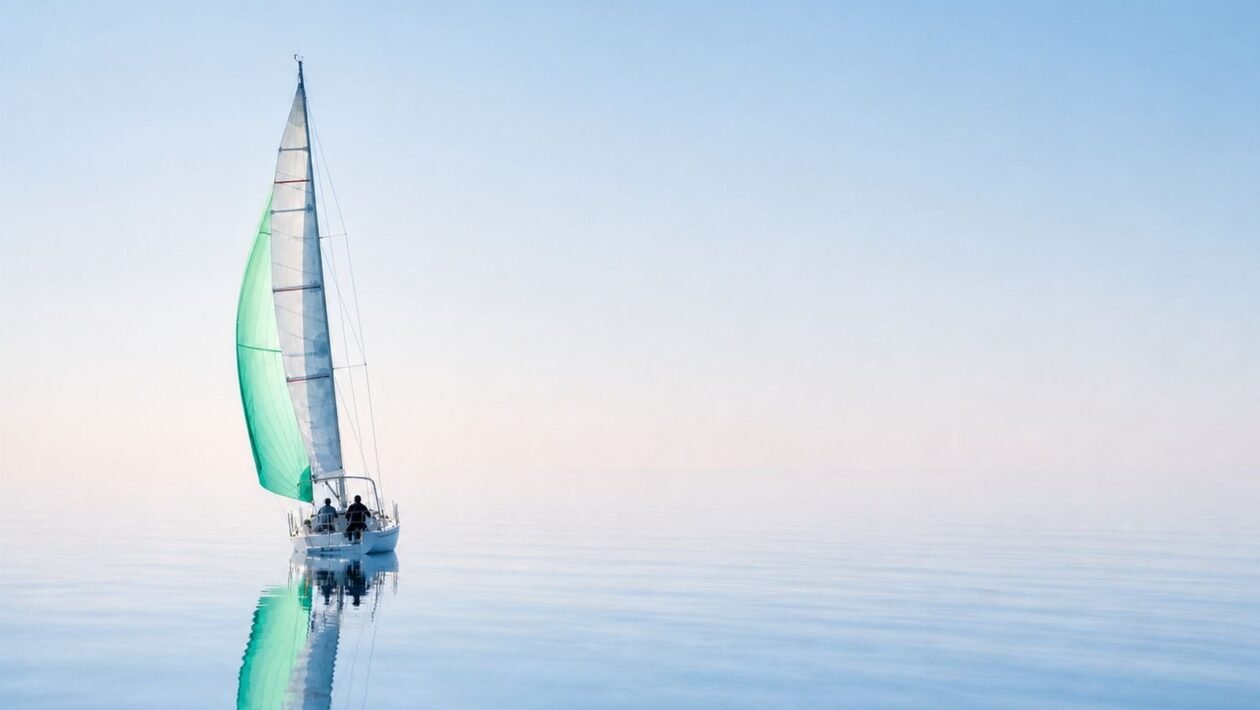
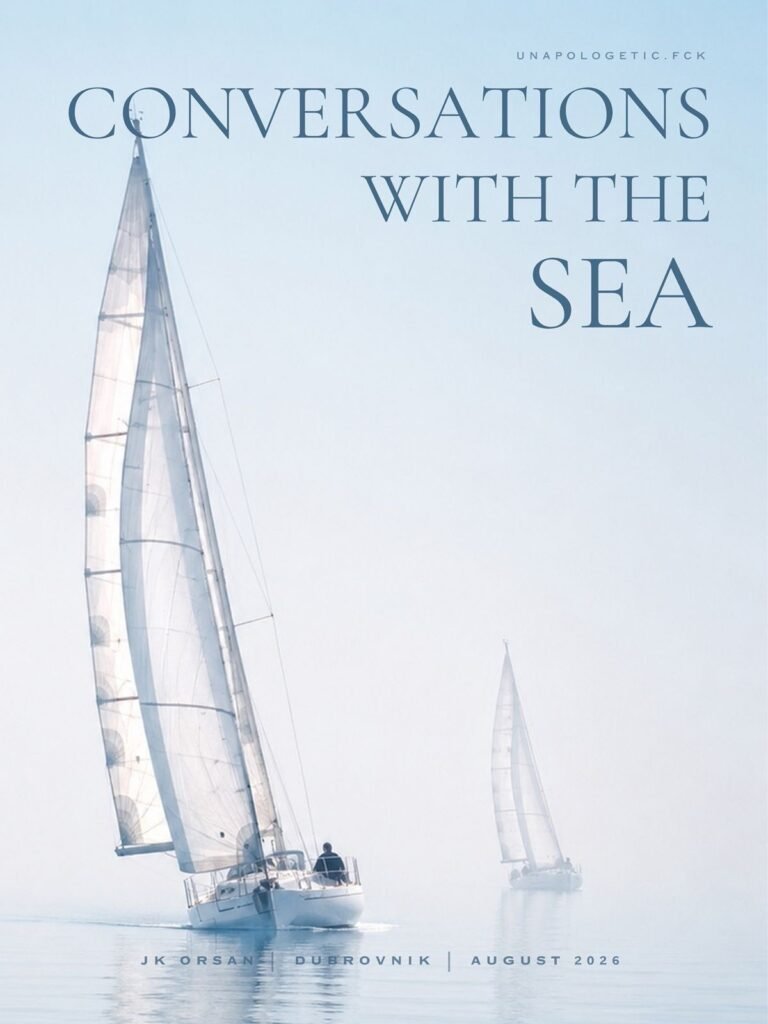
Kristina Banden kanadsko-hrvatska je umjetnica čiji rad polazi od osobnog doživljaja prostora, atmosfere i emocije. Nakon što je u prethodnom projektu Zadar promatrala iz neočekivane vizualne perspektive, u svom novom radu Conversations with the Sea fokus usmjerava prema moru i ljudima čiji je život s njim neraskidivo povezan. Susret s dubrovačkom jedriličarskom scenom pritom je postao važan dio njezina umjetničkog procesa – iskustvo koje je promijenilo njezin pogled na more i pretvorilo ga iz motiva koji promatra u iskustvo koje doista živi.
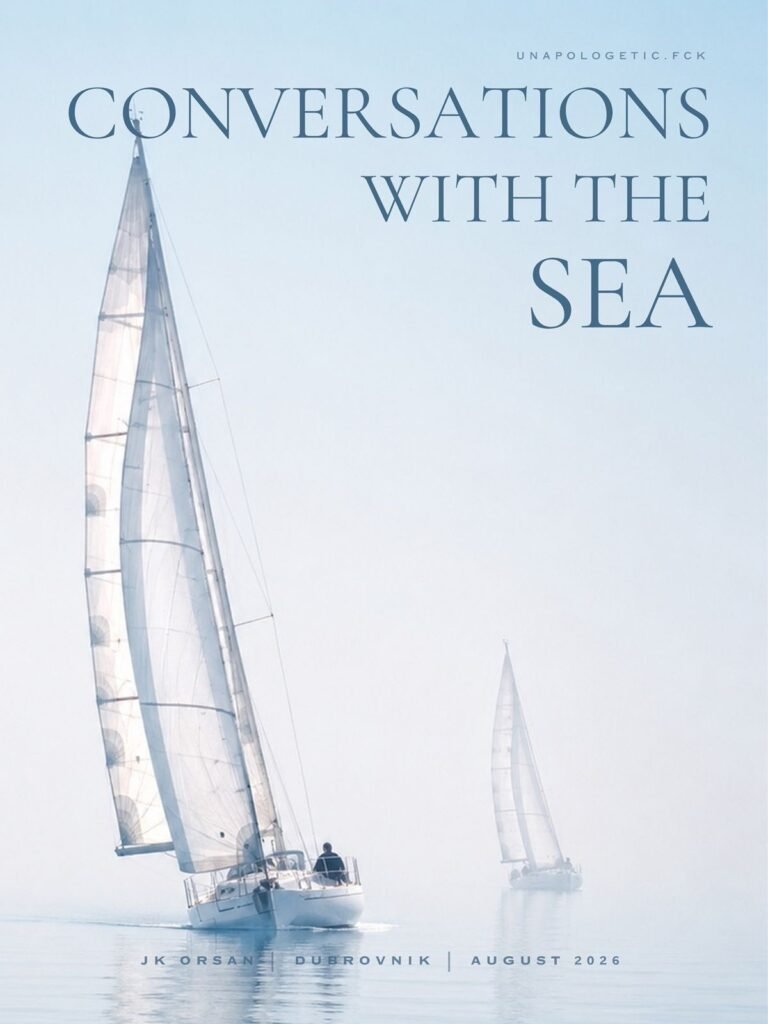
Neki umjetnički projekti nastaju iz ideje, a neki iz iskustva koje se s vremenom razvije u nešto mnogo veće. Conversations with the Sea započeo je kao vizualno istraživanje, no mjeseci provedeni uz more i s članovima JK Orsan postupno su mu dali dublji smisao. Prva javna izložba projekta sada je postavljena upravo u Dubrovniku, na mjestu koje je istodobno dio njegova nastanka i njegove priče. U razgovoru nam Kristina donosi svoja razmišljanja o moru kao trajnoj inspiraciji, ljudima koji su mu dali glas, umjetnosti koja ostavlja prostor za osobnu interpretaciju te o tome zašto ljepota, kada je riječ o umjetnosti, ne bi trebala biti njezin konačni cilj.
Od vizualne ideje do stvarnog iskustva
Nakon što ste prvi put predstavili Conversations with the Sea, umjetnički projekt sada prvi put javno izlažete u Dubrovniku. Što Vam ova etapa znači i koliko je projekt u međuvremenu sazrio?
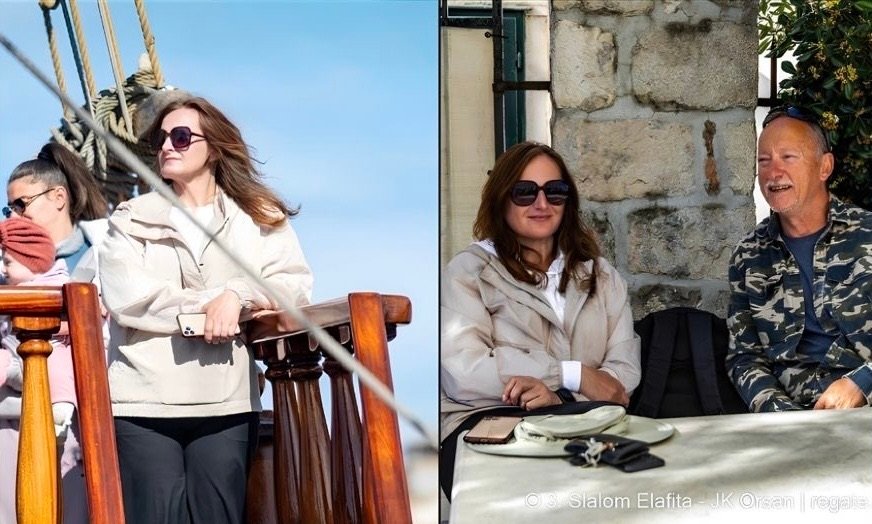
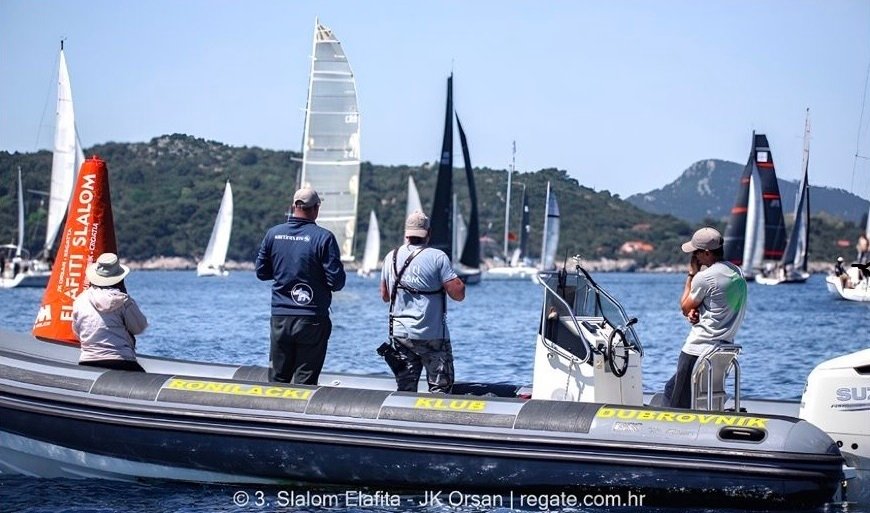
Ovo je prva javna izložba umjetničkog projekta Conversations with the Sea. Sam projekt započeo je u studenom 2025. godine kao ideja. Od samog početka znala sam da mora postati nešto više od zbirke lijepih prikaza jedrilica. Željela sam razumjeti kulturu koja stoji iza njih. Taj me put doveo do JK Orsan i Elafiti Slalom Regate. Od studenoga do travnja provodila sam vrijeme u marini, pratila regate Zimske lige, razgovarala s članovima jedriličarske zajednice i na kraju provela tri dana na moru tijekom same regate.
Ta su iskustva transformirala projekt. Ono što je započelo kao vizualni koncept postalo je mnogo dublje istraživanje pokreta, emocije, ritma i odnosa između ljudi i mora. Izlagati ovaj umjetnički projekt upravo u Dubrovniku, gdje je ta inspiracija i nastala, za mene je kao da se rad vraća kući.
Mjesto koje je dio priče
Izložba se održava upravo u Jedriličarskom klubu Orsan, prostoru koji svakodnevno živi uz more. Koliko je važan kontekst u kojem publika susreće Vaše radove?
Bilo mi je iznimno važno.
Nakon što je projekt dovršen, imala sam mogućnosti izlagati ga na drugim mjestima, ali bila sam odlučna da se prva izložba održi upravo na mjestu gdje je inspiracija i započela. JK Orsan nije samo prostor za izlaganje; on je dio priče. Ljudi koji su me inspirirali svakodnevno su tamo, uz svoje brodove. Brodovi koji se pojavljuju u projektu pripadaju upravo tom prostoru.
Predstaviti projekt u tom okruženju zaokružuje priču koja je započela mjesecima ranije. Neizmjerno sam zahvalna što je Dubrovnik prihvatio ne samo umjetnički projekt, već i namjeru koja stoji iza njega.
Svaki grad ima svoj odnos prema moru. Očekujete li da će dubrovačka publika „čitati“ Vaš rad drugačije nego publika u Zadru?
Nadam se. Netko tko nikada nije jedrio možda će reagirati na boje, atmosferu ili jednostavno na vizualni jezik ovog umjetničkog projekta. Za dubrovačku zajednicu, vjerujem da će iskustvo biti drugačije. Prepoznat će brodove. Prepoznat će jedra. To nisu anonimna plovila – ona su dio njihovog svakodnevnog života.
Nadam se da će to stvoriti drugačiji dijalog s umjetničkim projektom – onaj koji nije utemeljen samo na onome što vide, već i na onome što im ta plovila osobno predstavljaju.
Kad se perspektiva promijeni
Naziv Conversations with the Sea sugerira dijalog. Što Vam je more „reklo“ otkako je projekt prvi put predstavljen?
Oduvijek me privlačilo more. Rođena sam uz more, cijeli sam život živjela blizu njega i gdje god se nalazim, važno mi je znati da je tamo.
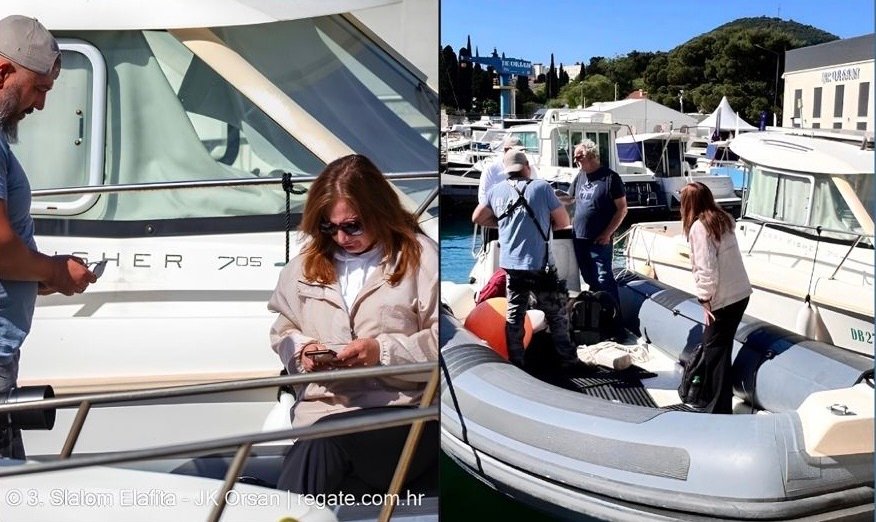
Godinama sam more doživljavala s obale. Sve se promijenilo tijekom posljednjih nekoliko godina kada sam počela provoditi vrijeme na samom moru — prvo na tradicionalnoj dalmatinskoj gajeti, zatim tijekom regate Zadarska Koka, a potom tijekom tri nezaboravna dana s JK Orsanom na Elafiti Slalom Regati.
Biti okružena brodovima, jedriličarima, vjetrom i ritmom života na moru promijenilo je moj pogled. More je prestalo biti nešto što samo gledam i postalo nešto što doživljavam.To iskustvo postalo je temelj projekta Conversations with the Sea.
Je li izložba u Dubrovniku ista kao prethodna ili donosi nove radove, nove priče ili drugačiji postav?
Conversations with the Sea potpuno je novi umjetnički projekt i nikada prije nije bio izložen.
Moj prethodni projekt, UNAPOLOGETIC – An UNAPOLOGETIC Look at Zadar, pozivao je ljude da poznata mjesta dožive kroz drugačiji vizualni jezik. Tijekom izložbe u Cafe Gallery Gina, vlasnik galerije Dario često mi je govorio da su posjetitelji stajali ispred radova i pitali: „Gdje je ovo?“ ili „Kako ovo može biti Zadar?“ Voljela sam to čuti jer je značilo da su ih radovi potaknuli da ponovno pogledaju ono što su mislili da poznaju.
Conversations with the Sea nastavlja istu filozofiju, ali umjesto istraživanja grada, istražuje odnos između ljudi i mora.
Ljudi iza motiva
Koliko Vas inspiriraju ljudi koji žive uz more – jedriličari, ribari, putnici – u odnosu na samo more kao motiv?
More je stalna inspiracija, ali jedriličari su mu dali glas.
Vrijeme provedeno sa zajednicom JK Orsan pokazalo mi je da jedrenje nije samo sport. To je način razmišljanja i način života. Tu su disciplina, poštovanje, strpljenje, poniznost i povjerenje u nešto mnogo veće od nas samih. Upravo sam kroz njih počela razumijevati taj tihi razgovor koji postoji između ljudi i mora — i taj je razgovor postao srce ovog umjetničkog projekta.
Između namjere i interpretacije
Postoji li rad na ovoj izložbi koji biste posebno izdvojili i zašto?
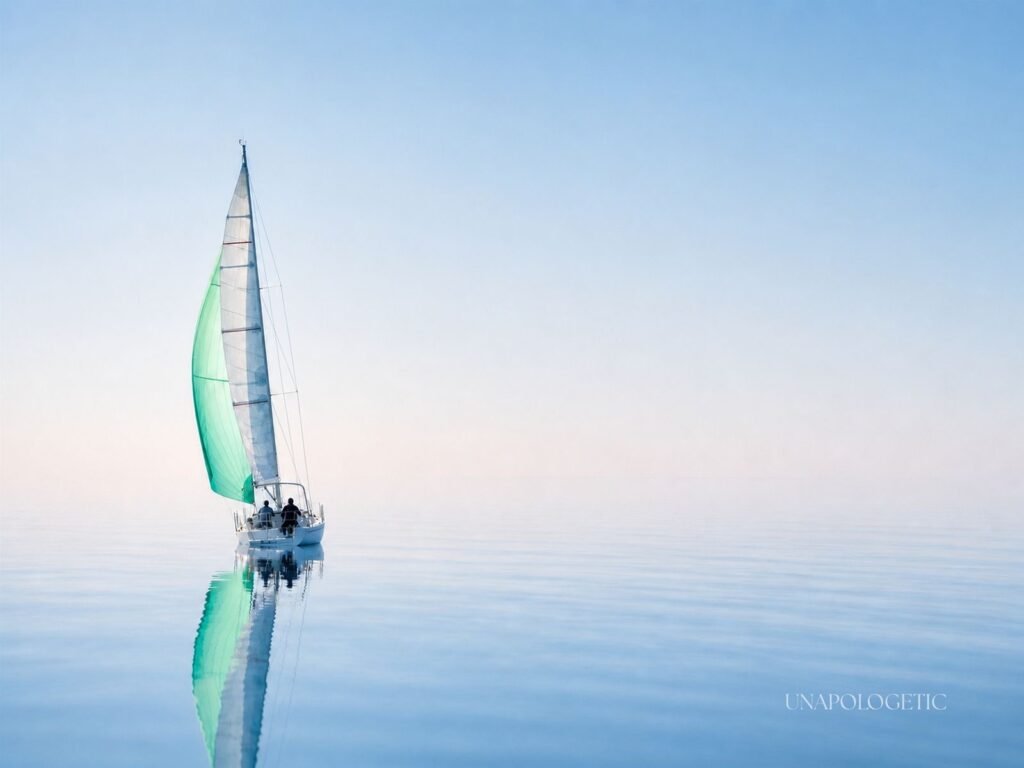
Naravno, gotovo je nemoguće izdvojiti samo jedan rad jer svaki predstavlja drugačiji razgovor i drugačiji trenutak na tom putovanju. Kad bih morala izdvojiti jedan, to bi vjerojatno bio Serene. To je prvi rad koji sam napravila za ovaj umjetnički projekt i upravo je on postavio koncept i vizualni smjer segmenta Whispers. Za mene predstavlja tiho srce cijelog projekta. Podsjeća me da more nije samo snaga i moć. U njemu postoji i tišina i prisutnost koje sam kroz ovaj rad željela izraziti. Kada sam bila na moru, dogodio se trenutak u kojem sam osjetila mir kakav nikada prije nisam doživjela. Bio je to gotovo poput tihog šapata olakšanja za moj živčani sustav.
Taj je osjećaj ostao sa mnom i Serene je postao način na koji sam ga izrazila.
Zanimljivo je da je upravo taj rad privukao najviše pažnje posjetitelja. Ljudi se ispred njega često zaustavljaju, komentiraju ga i jednostavno ih privuče. Postoji nešto u Serene što očito govori ljudima na način koji je teško objasniti.
Vaši radovi često ostavljaju prostor za osobnu interpretaciju. Volite li kada publika u njima pronađe nešto sasvim drugačije od Vaše početne ideje?
Vrlo. Dok stvaram, svaka je odluka namjerna i svaki rad nosi moje emocije i iskustva. Ali kada je rad dovršen, otisnut, uokviren i izložen, više ne pripada samo meni. Tada započinje odnos sa svakom osobom koja stane ispred njega. Volim kada netko u radu pronađe nešto što ja nisam namjeravala jer je to trenutak kada rad počinje živjeti vlastiti život. To je ljepota umjetnosti. Razgovor se nastavlja dugo nakon što se umjetnik odmakne.
Što biste voljeli da posjetitelji ponesu sa sobom nakon izlaska iz izložbe – emociju, pitanje ili možda drugačiji pogled na more?
Više od svega, željela bih da se jedriličarska zajednica JK Orsan osjeća poštovano.
Voljela bih da se prepoznaju — ne doslovno u brodovima ili jedrima, već u duhu koji stoji iza ovog umjetničkog projekta. Ako netko prođe kroz izložbu i u sebi pomisli:
„Ovaj rad razumije što ovaj život nama znači.“ Onda osjećam da sam odala počast inspiraciji koju su mi pružili. Mnogo puta su mi rekli da su radovi lijepi i na tome sam im vrlo zahvalna. Ali želim da umjetnički projekt ide dalje od toga da bude samo lijep ili dekorativan. Želim da ljepota bude početak, a ne kraj.
Želim da rad otvori nešto: misao, mišljenje, emociju ili razgovor. Ako netko napusti izložbu razmišljajući o nečemu o čemu prije nije razmišljao, osjećajući nešto što nije očekivao osjetiti ili želeći razgovarati o onome što je vidio, tada je rad nastavio živjeti i izvan zidova izložbe. Za mene je upravo tada umjetnički rad počeo istinski živjeti.
Razgovor koji se ne mora završiti
Nakon Dubrovnika, kamo dalje vodi razgovor s morem? Postoje li već planovi za nove gradove ili nastavak projekta?
Trenutačno mi je najvažnije jednostavno pustiti Conversations with the Sea da živi svoj život u Dubrovniku.
Ovaj umjetnički projekt pripada tamo. Želim da ljeto provede tamo gdje je nastao i omogućiti ljudima da ga dožive u njegovom prirodnom okruženju. Još ne razmišljam o sljedećem gradu. Kao umjetnica, već sam počela razvijati novi umjetnički projekt, ali ovaj projekt zaslužuje vrijeme i prostor da bude doživljen tamo gdje je njegova priča započela.
Kad biste mogli voditi jedan stvarni razgovor s morem, koje biste mu pitanje postavili – i što mislite da bi Vam odgovorilo?
Mislim da bih ga pitala:
„Zašto imaš toliku moć nada mnom? Zašto ti se uvijek moram vraćati? Zašto se osjećam tako mirno kad god sam blizu tebe, čak i tijekom oluje?“
Zamišljam da bi mi more odgovorilo vrlo jednostavno: „Jer ja sam more.“
I znam da bih se nasmiješila jer mi se nekako čini da je to upravo UNAPOLOGETIC odgovor koji bi mi more moglo dati.
Za pregled cijelog umjetničkog projekta: Pogledajte Conversations with the Sea
The original interview in english
Kristina Banden is a croatian-canadian artist whose work is rooted in a personal experience of space, atmosphere, and emotion. After exploring Zadar through an unexpected visual perspective in her previous project, she turns her attention in Conversations with the Sea to the sea and to the people whose lives are deeply intertwined with it. Her encounter with Dubrovnik’s sailing community became an important part of her artistic process — an experience that changed the way she sees the sea, transforming it from something she observes into something she truly experiences.
Some art projects begin with an idea, while others grow from an experience that gradually evolves into something much greater. Conversations with the Sea began as a visual exploration of sailing boats, but months spent by the sea and alongside members of the Orsan Sailing Club gradually gave the project a deeper meaning. The project’s first public exhibition is now being presented in Dubrovnik, a place that is both part of its origins and its story. In this conversation, Kristina speaks about the sea as a constant source of inspiration, the people who have given it a voice, art that leaves room for personal interpretation, and why, when it comes to art, beauty should not be its ultimate destination.
From a visual idea to a lived experience
After first introducing Conversations with the Sea, the collection now receives its first public exhibition in Dubrovnik. What does this stage mean to you, and how has the project matured?
This is Conversations with the Sea’s first public exhibition.
The project itself began in November 2025 with an idea. From the beginning, I knew it had to become more than a collection of beautiful images of sailboats. I wanted to understand the culture behind them.
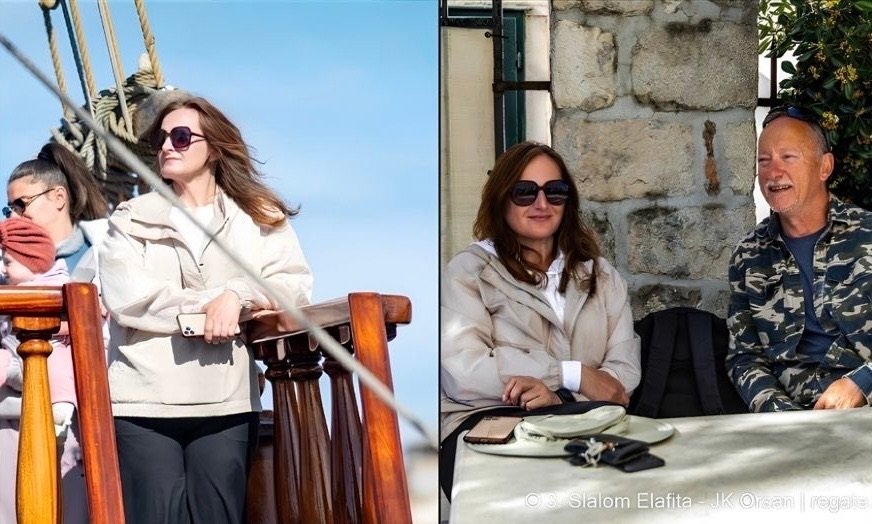
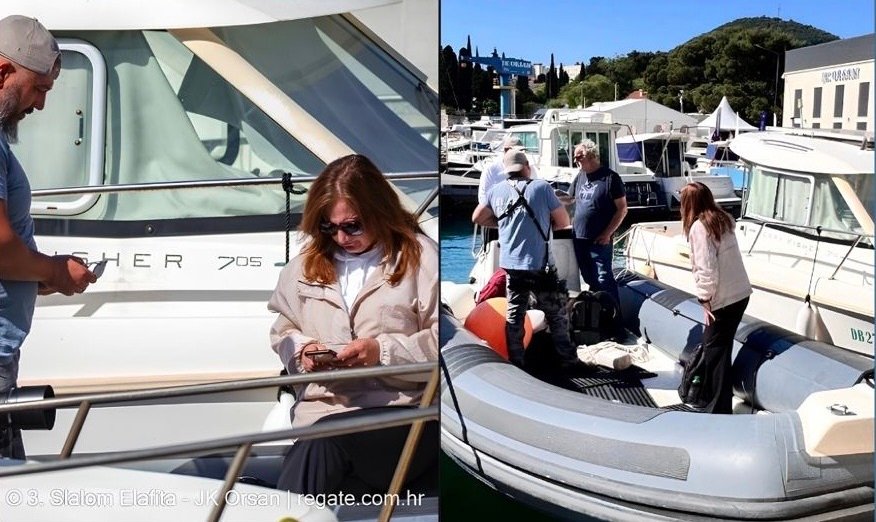
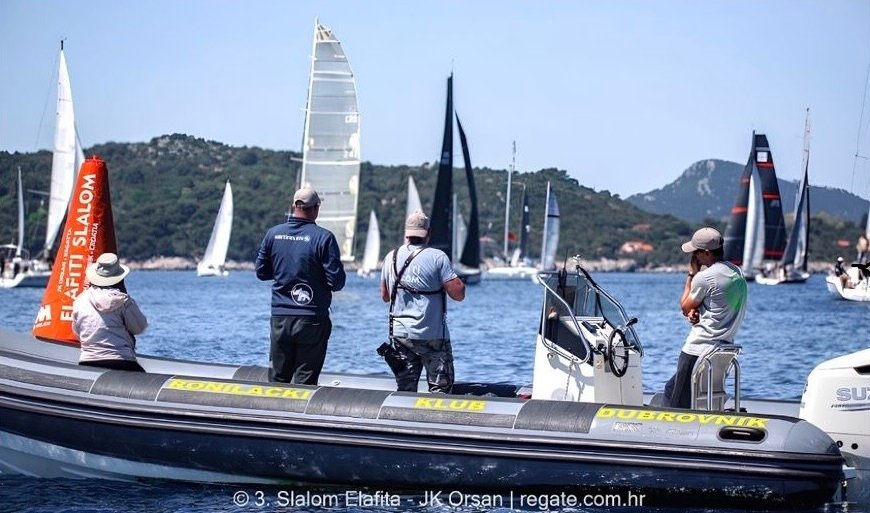
That journey led me to JK Orsan and the Elafiti Slalom Regatta. Between November and April, I spent time at the marina, watched the Winter League races, spoke with members of the sailing community, and eventually spent three days at sea during the regatta itself.
Those experiences transformed the project. What began as a visual concept became a much deeper exploration of movement, emotion, rhythm, and the relationship between people and the sea.
Exhibiting the collection in Dubrovnik, where that inspiration was born, feels like bringing the work home.
A place that is part of the story
The exhibition is being held at the Orsan Sailing Club, a place that lives by the sea every day. How important is the context in which the audience encounters your work?
It was essential.
Once the collection was completed, there were opportunities to exhibit it elsewhere, but I was determined that its first exhibition should be in the place where the inspiration began.
JK Orsan isn’t simply a venue; it’s part of the story. The people who inspired the work walk those docks every day. The boats that appear throughout the collection belong there.
Presenting the exhibition in that environment completes a circle that began months earlier.
I’m incredibly grateful that Dubrovnik embraced not only the artwork, but also the intention behind it.
Every city has its own relationship with the sea. Do you hope the Dubrovnik audience will experience your work differently?
I hope so.
Someone who has never sailed may respond to the colours, the atmosphere, or simply the visual language of the collection.
For the Dubrovnik community, I imagine the experience will be different. They’ll recognize the boats. They’ll recognize the sails. Those aren’t anonymous vessels—they’re part of their everyday lives.
I hope that creates a different dialogue with the work—one that’s rooted not only in what they see, but in what those vessels represent to them personally.
A shift in perspective
The title Conversations with the Sea suggests a dialogue. What has the sea “told” you since the project began?
I’ve always been drawn to the sea. I was born beside it, I’ve lived all of my life near it, and wherever I am, I need to know it’s there. For many years, I experienced the sea from the shoreline.
Everything changed over the last couple of years when I began spending time on the sea itself—first aboard a traditional Dalmatian gajeta, then during the Zadarska Koka regatta, and finally during three unforgettable days with JK Orsan at the Elafiti Slalom Regatta.
Being surrounded by the boats, the sailors, the wind, and the rhythm of life at sea transformed my perspective.The sea stopped being something I looked at and became something I experienced.
That experience became the foundation of Conversations with the Sea.
Is the Dubrovnik exhibition the same as your previous exhibition, or does it bring new works, new stories and a different perspective?
Conversations with the Sea is an entirely new body of work and has never previously been exhibited.
My previous collection, UNAPOLOGETIC – An UNAPOLOGETIC Look at Zadar, invited people to experience familiar places through a different visual language.
During the exhibition at Cafe Gallery Gina, gallery owner Dario often told me that visitors would stand in front of the work asking, “Where is this?” or “How can this be Zadar?”
I loved hearing that because it meant the work encouraged people to look again.
Conversations with the Sea continues that same philosophy, but instead of exploring a city, it explores the relationship between people and the sea.
The people who give the sea a voice
How much do the people who live by the sea inspire you compared with the sea itself?
The sea is the constant inspiration, but the sailors gave it a voice.
Spending time with the JK Orsan community showed me that sailing isn’t simply a sport. It’s a way of thinking and living. There’s discipline, respect, patience, humility, and trust in something far greater than yourself. It was through them that I began to understand the quiet conversation that exists between people and the sea—and that conversation became the heart of this collection.
Between intention and interpretation
Is there one piece of work in this exhibition that you would especially highlight?
Of course, choosing one work is almost impossible because every piece represents a different conversation and a different moment in the journey.
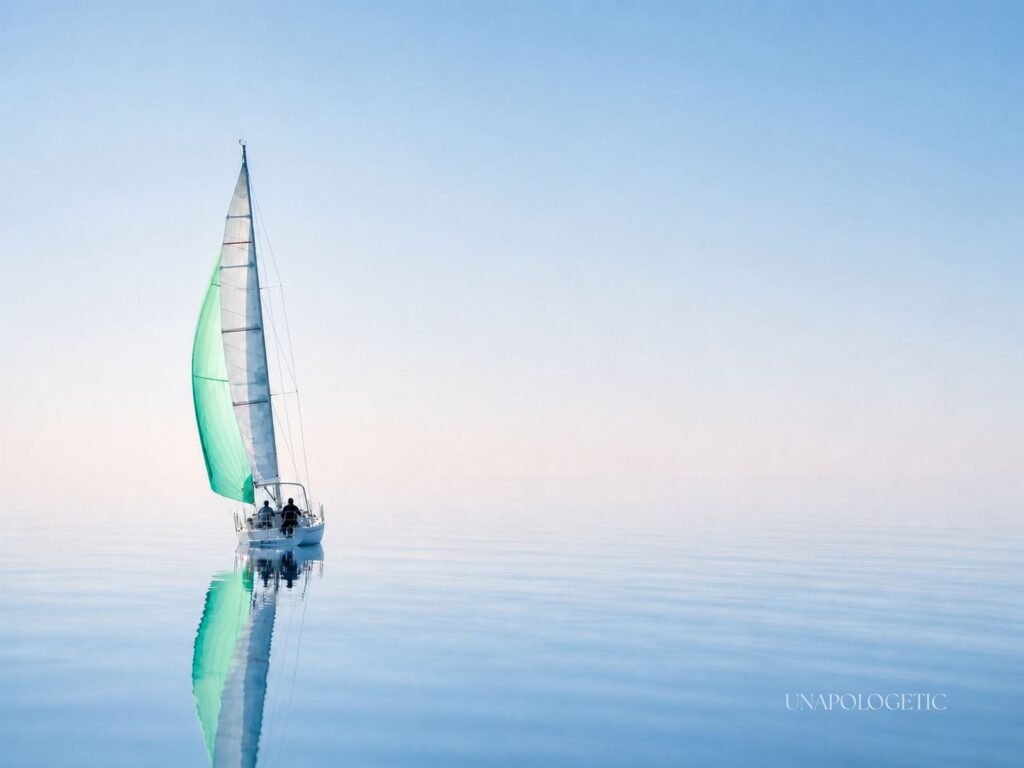
If I had to choose one, it would probably be Serene. It was the first piece I created for this collection, and it established the concept and visual direction for the Whispers segment.
For me, it represents the quiet heart of the collection. It reminds me that the sea isn’t only about strength and power. There is also a quietness and presence to it that I wanted to express through this piece.
When I was out on the sea, there was a moment when I felt a calm I had never experienced before. It was almost like a quiet whisper of relief from my nervous system.
That feeling stayed with me, and Serene became a way of expressing it.
Interestingly, it is also the piece that has drawn the most attention from visitors. People consistently stop in front of it, comment on it, and are drawn to it. There’s something about Serene that seems to speak to people in a way that is difficult to explain.
Your work often leaves room for personal interpretation. Do you enjoy it when viewers discover something completely different from what you intended?
Very much. While I’m creating, every decision is intentional, and every piece carries my own emotions and experiences. But once the work is completed, printed, framed, and exhibited, it no longer belongs only to me. It begins a relationship with every person who stands in front of it.
I love when someone discovers something I never intended because that’s the moment the work begins living its own life. That’s the beauty of art. The conversation continues long after the artist has stepped away.
What would you like visitors to take with them after leaving the exhibition—an emotion, a question, or perhaps a different way of looking at the sea?
More than anything, I hope the sailing community at the Orsan Sailing Club feels respected.
I hope they recognize themselves—not literally in the boats or sails, but in the spirit behind the collection.
If someone walks through the exhibition and quietly thinks,
“This work understands what this life means to us,” then I feel I’ve honoured the inspiration they gave me.
I’ve been told many times that the work is beautiful, and I’m very appreciative of that. But I hope the artwork goes beyond simply being beautiful or decorative. I want the beauty to be the beginning—not the end.
I want the work to open something: a thought, an opinion, an emotion, or a conversation. If someone leaves the exhibition thinking about something they hadn’t thought about before, feeling something they didn’t expect to feel, or wanting to talk about what they saw, then the work has continued beyond the walls of the exhibition.
That, to me, is when the artwork truly begins to live.
A conversation that doesn’t have to end
After Dubrovnik, where does the Conversations with the Sea lead next?
Right now, my focus is simply to allow Conversations with the Sea to live its own life in Dubrovnik. The collection belongs there. I want it to spend the summer where it was born and allow people to experience it in its natural environment.
I’m not thinking about the next city just yet.
As an artist, I’ve already begun developing a new collection, but this project deserves the time and space to be experienced where its story began.
If you could have one real conversation with the sea, what would you ask it—and what do you think it would answer?
I think I would ask,
“Why do you have such a hold on me? Why do I always need to return to you? Why do I feel so calm whenever I’m near you, even during a storm?”
I imagine the sea would answer very simply:
“Because, I am the sea.”
And I know I would smile, because somehow, that feels like the most UNAPOLOGETIC answer the sea could give.
To have a look at the complete Conversations with the Sea collection: View the collection
Tekst je financiran sredstvima Fonda za poticanje pluralizma i raznovrsnosti elektroničkih medija Agencije za medije.