Poslušajte ovaj članak – dostupan i u audio verziji za lakše informiranje.
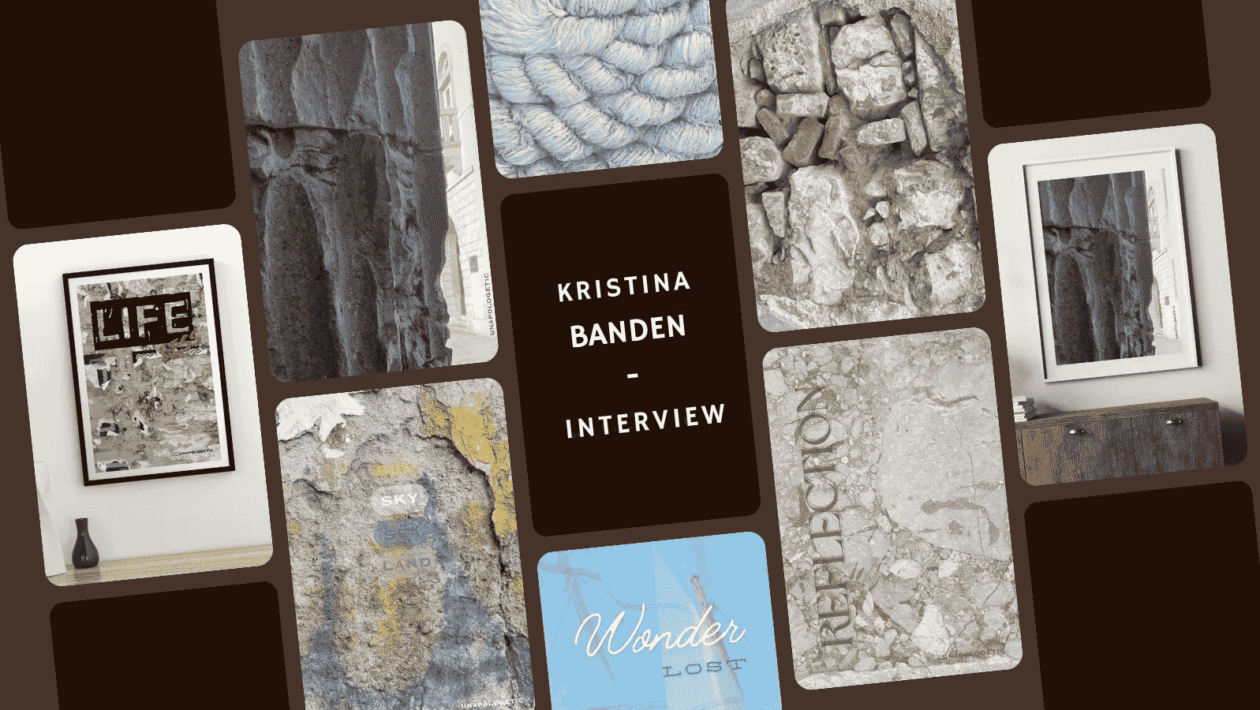
Kristina Banden is a Croatian-Canadian artist and creative director who bridges two worlds — art and business. After more than 20 years working with global brands like Nespresso, Starbucks, and Pandora, Kristina stepped into her own artistic space with her deeply personal project UNAPOLOGETIC. In this exclusive interview, she shares what inspires her, how her creative process unfolds, and what’s next on her journey.
Inspiration and Creative Process
What inspires you most in everyday life, and how do you translate that into your work?
I’ve noticed that my creativity is strongest when I’m experiencing intense emotions — whether it’s joy, grief, tension, or transformation. These energies open new perspectives, giving me ideas and inspiration that I channel into my work. In some ways, it’s my own form of art therapy — a way to explore, process, and express life in its rawest, most honest form.
Wonder Lost emerged from a conversation with a friend, while Behind Darkness Light revealed itself in a fleeting moment as I glanced at a scene while sipping coffee at a café. Everyday moments, small observations, and subtle experiences continuously inspire my work, shaping it in ways that are both deeply personal and universally resonant.

When I collaborate professionally or bring someone else’s vision to life, I do more than execute a project — I infuse it with imagination, insight, and emotional depth. I translate vision into reality in a way that captivates, connects, and leaves a lasting impression. This balance of personal authenticity, professional rigor, and creative intuition is what drives me forward — and what I bring to every opportunity, every collaboration, every project I engage with.
Are there artists, books, or music that have shaped you as a creative?
Absolutely. I don’t like to pin it down to one artist, book, or music — inspiration really comes from everywhere. Sometimes I see a bold piece of art in a museum that pushes boundaries and reminds me to take risks in my own work. Lyrics and music speak to me deeply; words have always been a powerful creative spark.
Professionally, storytelling is at the heart of the work I do in the business world. Selling or marketing a brand is a lot like creating art — you’re telling a story, sparking imagination, inviting people to step into the world you’ve created. It’s about giving ideas life and letting them live in someone else’s imagination.
How has your inspiration changed over time—is there a difference between what motivated you at the beginning and what motivates you now?
My motivation has always been the same: the need to create, to express what I feel inside. It’s triggered by life, by moments of intensity — grief, joy, stress, happiness — anything that stirs something deep within me. Creating is my escape, my way of grounding myself, of letting what’s inside of me get out. It’s never planned; it’s instinctual. An image, a feeling, a story builds inside me, and I have to release it.
Over the years, the forms have evolved. I started with pencil and paper, moved to photography, built tangible models, explored fashion arts, wrote lyrics, and gradually expanded into other forms, including writing a novel. This year I’ve been intertwining photography, digital work, and literary expression.
The tools change, the medium shifts, but the creative instinct — the need to express what’s inside of me — has remained constant.
When working on a project like “UNAPOLOGETIC,” what does the creative process look like from idea to realization?
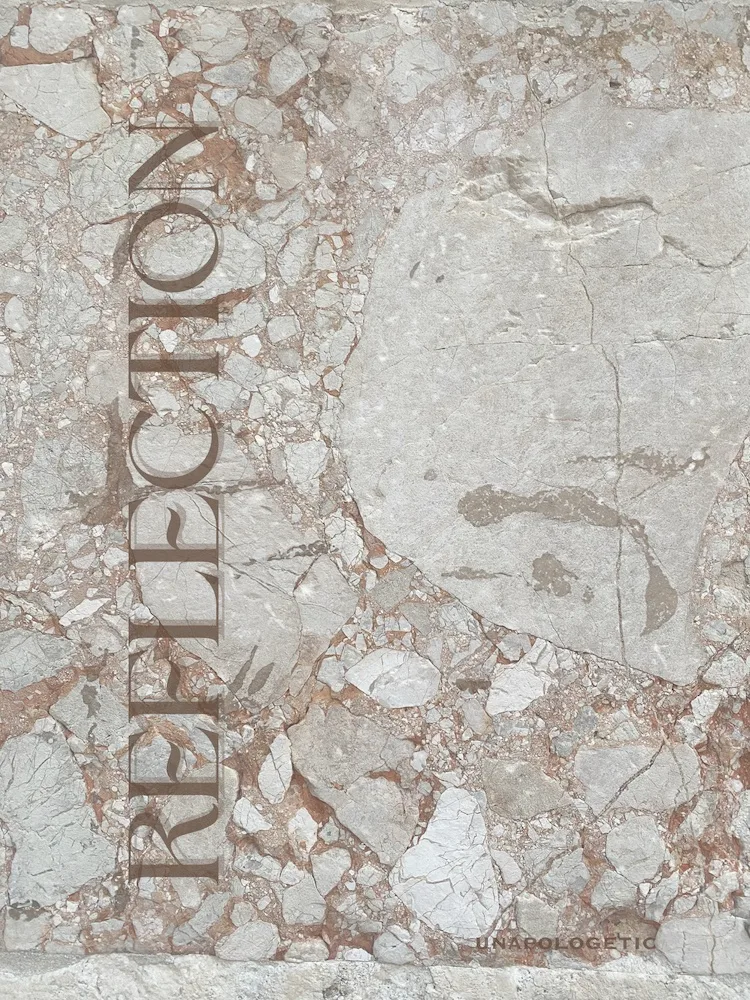
The creative process for UNAPOLOGETIC isn’t a step-by-step kind of project. It’s instinctual — a reaction, a reflection of life shifts and the emotions I’m experiencing at the time. The art comes to me, and my role is simply to capture it in the moment. It’s not just the images themselves; it’s the emotions behind them as I feel them.
I go on daily walks in Zadar, and to be honest, I’ve fallen madly in love with this city. I’m so grateful to be here, and every day I notice its beauty — in the sea, the islands, the architecture, the mountains, the skies, and even the smallest details. It’s breathtaking.
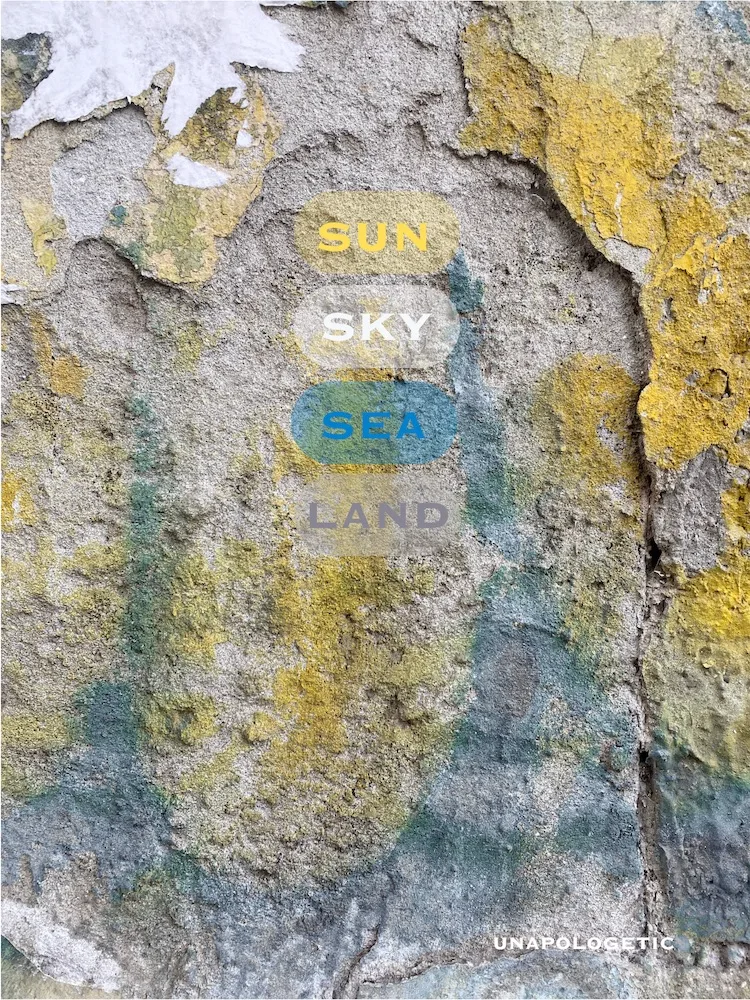
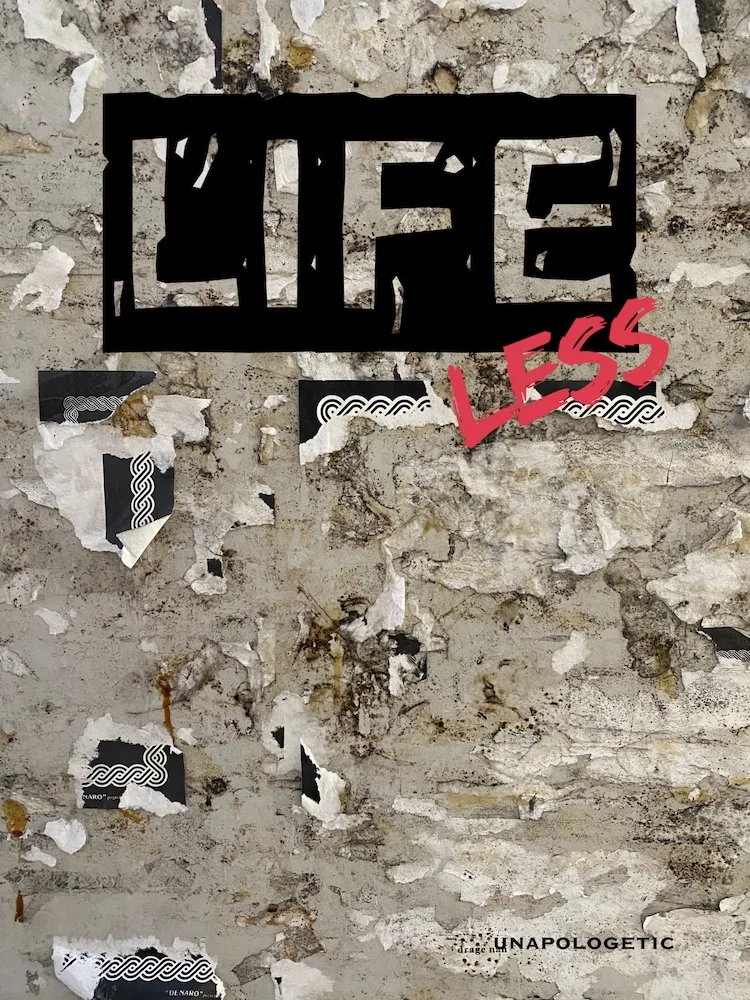
But then a shift happened in my life. Darkness fell upon me. On those same walks, the beauty was still there, but what began to show itself to me were raw, imperfect, emotional elements I hadn’t noticed before. Those were the images I was drawn to in that period. It wasn’t planned. I didn’t seek them out. Each moment came to me naturally, and each image tells a deep, emotional story — a story that became part of my own healing journey.
Putting these images in a gallery for others to see was the last thing on my mind. The work wasn’t made for an audience; it was made because it needed to be.
Projects and Professional Work
Can you introduce your project “UNAPOLOGETIC” — what makes it special?
You think it’s special? For me it is, because it’s personal. But art is subjective. What one person may see as beautiful, poetic, or special, another may just see another photo.
UNAPOLOGETIC is special for me because it allowed me to experience healing and growth. And the reactions of people made it meaningful too. As visitors walk through the exhibit, read the little placards explaining what each image means to me, and then share what it means to them — “I feel this too,” “This hits deep,” or “I interpreted it differently, but I get it” — that dialogue makes the art alive. It’s personal for each person, shaped by their own experiences, emotions, and vision.
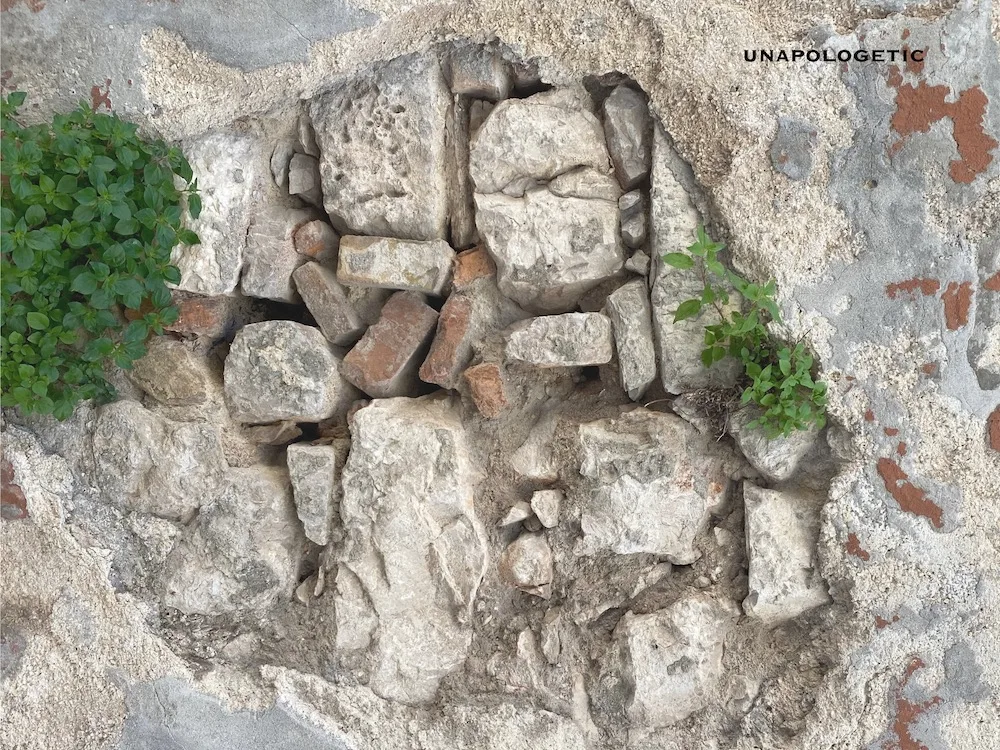
For example, one piece, FOUNDATIONS, speaks to toxic parental or family foundations. For me, it’s about blossoming into beauty despite difficult beginnings. Others have seen the same image as reflecting the history of Zadar itself — the way buildings have endured wars, collapsed, and been rebuilt over centuries.
It’s the power of art — it’s honest, it’s flexible, it resonates differently for everyone. For me, it’s raw and UNAPOLOGETIC. It’s not asking anyone’s permission to be exactly where it is, how it is, and what it means and evokes.
What has been your most challenging project so far, and how did you overcome it?
For over 20 years, I created for others, letting them take the spotlight because I wanted the focus to be on the art. It wasn’t about shame or doubt in my creations — it was just who I was. I preferred to stay anonymous and in background so the work could shine.
For my first creative exploration under my own name, I designed, directed, and produced everything from concept to physical creation. The hardest part was stepping into the spotlight, but it was essential — for this project, the creator had to be present. I was brought to the forefront on the runway, in front of international media, as the name behind these creations, fully claiming my role and presence as an artist.
It’s been 12 years since I first stepped onto that stage to take my bow, and I’m still learning to embrace that discomfort. I still prefer the work to shine, but I know growth requires stepping out of my comfort zone — and slowly, I’m learning to do that.
You’ve worked with major global brands — which project stands out most to you and why?
My last business contract had me in the role of training corporate teams in sales, product knowledge, and presentations, as well as facilitating international rollouts and workshops. It wasn’t glamorous, but what fascinated me was the power of narrative and creative storytelling — how words, tone, and presentation can influence people and shape experiences.
I was guiding highly structured, results-driven sales teams in a traditionally male-dominated, manufacturing-focused environment. My approach wasn’t about pushing numbers or following rigid scripts — that often shuts consumers down. Instead, I focused on storytelling and human connection to engage clients, build meaningful relationships, and bring imagination into an otherwise rigid, bottom-line-focused world.
Even in a structured corporate context, there’s space for creativity and genuine connection — and that’s what stayed with me. So, maybe it’s not the flashiest answer, but it’s the one that left the deepest impression.
How do you balance artistic expression with the business world of brands?
For me, creativity and business operate in completely different mindsets.
When I’m in creative mode, I’m fully immersed — there are no limits, no boundaries, no fixed direction. The ideas can go anywhere, and I follow them intuitively.
The business side, on the other hand, requires structure, deadlines, strategy, and very clear expectations. Balancing the two can be difficult because they demand opposite energies.
I’ll admit: when I’m deeply focused on the creative side, the business end can fall behind. That’s why I’ve learned the value of delegating, asking for guidance, and bringing in people who can see the bigger picture outside my own creative bubble.
But the balance works the other way too. When I’m working on the business side, I can support others to stay fully immersed in their work without worrying about the structure, logistics, or business requirements. I understand both worlds, even though they operate differently, and I create space for both sides to thrive.
When it comes to brands, there’s also a difference in energy.
Large and well-known brands are understandably focused on the bottom line — profit, performance, numbers. That’s the nature of big business.
Startups and smaller businesses, though, still carry that fresh vision and spark, that imagination that often gets diluted as the brand grows and the financial side becomes the focus.
I’m very grateful for the opportunities I’ve had with the well-known brands you mentioned. But I genuinely enjoy working on projects that are vision-focused — projects driven by excitement, intention, and purpose, created to truly offer something meaningful to the consumer. That space, where creativity leads and the business supports it, is where I feel the most aligned.
Personal Philosophy
What is the greatest professional lesson you’ve learned so far?
The greatest lesson I’ve learned is that your work, once it’s finished, needs to be released. Your art needs to live its own life away from you, to be experienced by others on its own terms. Holding on to it or trying to control it doesn’t serve anyone.
We cannot live in the past or cling to what we’ve already created. We can learn from it, grow from it, and evolve because of it, but real forward movement only happens when we let go. Sharing your work with the world is what gives it meaning — that’s where it becomes alive.
Over time, I’ve also learned the importance of detaching from the work once it’s out of my hands. I don’t seek validation for it, and I don’t lean on the past to define the present. I create, I finish, I release — and then I move forward. Because the moment you cling to what you’ve done before, you stop evolving.
We’re all born with unique talents and gifts meant to be shared, to inspire, to help, and to support others. Letting your creations breathe, without holding them hostage to expectations or fear, allows them to reach people in ways you might never imagine. And it frees me — creatively and personally — to stay open, keep growing, and step into whatever comes next.
What motivates you to keep moving forward and exploring new ideas?
I’ve been fortunate to create in a space free from structured timelines or external pressures, which has allowed my art to remain deeply personal and emotionally driven.
My creativity flows from my experiences, emotions, and the different stages of my life. I don’t force ideas; I remain open and receptive, letting inspiration find me.
I don’t see myself limited to one way of creating. Opportunities are limitless, and so are the possibilities I can explore.
The motivation isn’t something I have to manufacture — it comes naturally when I allow myself to be present, to feel, and to respond to the world in my own inner life.
While this artistic work is naturally fluid, I understand the value of structure and focus in professional and collaborative settings. I can align my creativity with deadlines, project goals, and team objectives when needed.
This approach allows me to bring fresh ideas, originality, and emotional depth to any project I engage with, while staying true to my own creative instincts.
How do you see the role of women in the creative industry today?
For me, creativity itself is not gendered. Art, design, writing — all forms of creative expression — are neutral; they aren’t inherently tied to one gender or another. In that sense, I don’t see a distinction between men and women in the act of creating.
That said, when we talk about the creative industry — the business side, opportunities, positioning, recognition — there are differences that can be observed. Historically, the names most recognized in the art world have been predominantly one gender, which reflects the structures and biases of the industry, not the nature of creativity itself.
Personally, I approach my creative work without thinking about gender. For me, the focus is on expression, authenticity, and impact, rather than on whether a woman or a man is creating it.
Future
What are your plans for the coming year — new exhibitions, projects, or collaborations?
I’m so grateful to Zad Art for hosting my first exhibit in Croatia under the UNAPOLOGETIC banner.
The response has been wonderful, and the gallery has warmly invited me to exhibit again in the spring — a project I’m already working on.
I have some ongoing private behind-the-scenes projects outside of Croatia that I am completing, but for 2026, I want to focus on creating and collaborating locally under my own name.
I’m very open to possibilities with other artists, creative teams, or brands, whether in Zadar or elsewhere in the country.

I bring over 30 years of experience in creative direction, art, and project development, and I see great potential in combining creative energies to build meaningful projects that resonate both visually and emotionally.
I’m excited to connect with individuals and organizations who are interested in exploring innovative expressions and bringing fresh ideas to life.
I’m open to a variety of opportunities — whether that’s collaborative exhibitions, commissioned work, lectures, or creative talks and workshops.
Now that I’ve officially stepped onto this stage, I’m fully embracing the opportunity to share my creative vision and contribute my skills in ways that are both meaningful and sustainable.
Do you have a desire to launch a completely new concept or brand?
Time will tell.
Right now, I’m exploring the UNAPOLOGETIC.FCK energy, which comes in two categories.
UNAPOLOGETIC is my photo-based work, sometimes with word overlays, expressing emotions and life phases in a raw, vulnerable way.
FCK is the bolder, more sensual and explicit side — about embracing sexuality, assertiveness, and raw energy, saying “fuck” in a feminine, unapologetic way.
I love having both avenues to express myself without judgment or shame.
The FCK pieces are harder to show publicly because they carry more assertive, in-your-face energy, while UNAPOLOGETIC focuses on vulnerability.
I have several FCK pieces completed, and more in progress.

Whether they are exhibited publicly, privately, or in a closed setting is still undecided. I’m letting the work guide me.
So. Am I ready to explore a completely new concept or brand? Absolutely. I’m open to wherever creativity takes me. It’s never about me choosing — it’s about letting the inspiration choose me.


Tekst je financiran sredstvima Fonda za poticanje pluralizma i raznovrsnosti elektroničkih medija Agencije za elektroničke medije.